
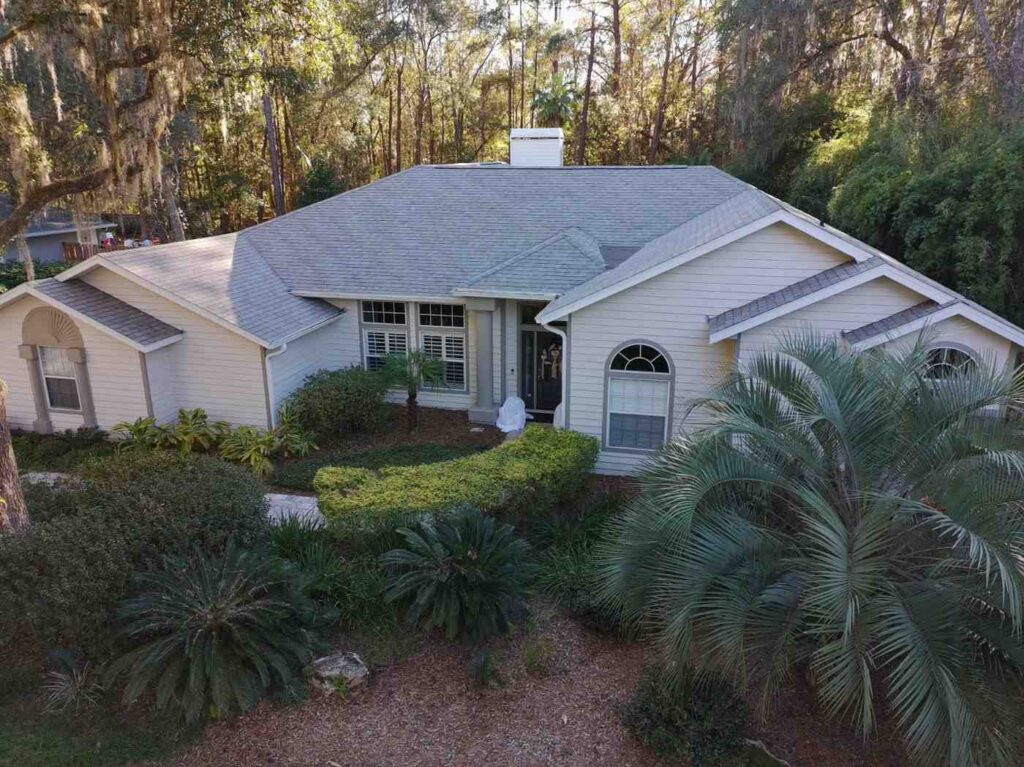
Two homes nearly 40 miles apart can need two completely different roofs. One sits a few blocks from the ocean in Flagler Beach. The other sits inland near Palatka, along the St. Johns River. Same state, same general climate on paper, but the conditions actually working against each roof are not the same. If you’ve gotten quotes from more than one contractor and noticed the recommendations don’t match, your home’s location is usually the reason why.
What a Coastal Roof Is Up Against
Homes closer to the coast deal with salt air every day, not just during storms. Over time, salt exposure speeds up corrosion on metal fasteners, flashing, and any exposed hardware. Properties within about a mile of the coast, including much of Flagler Beach, also fall under Florida’s Wind-Borne Debris Region, which comes with stricter wind-resistance and impact-protection requirements than inland areas. Add in the humidity, and algae or moss growth on shingles tends to show up faster too.
If you’re comparing Flagler Beach roofing options, ask any contractor how their materials and installation account for wind-borne debris requirements specifically, not just hurricanes in general.
What an Inland Roof Deals With Instead
Move inland toward Palatka and the priorities shift. Salt air is less of a concern, but direct sun exposure is more intense without the coastal breeze to offset it. UV breakdown on shingles happens faster in these areas, and attic ventilation becomes more important to manage heat and humidity coming off the St. Johns River. Inland properties, especially those with mature oak trees, also see more roof damage from falling limbs and storm debris than from wind alone.
Anyone researching Palatka roofing options should ask about ventilation and shingle UV ratings just as much as storm resistance.
Materials That Make Sense for Each
There’s no single “best” roofing material for every home in this region. It depends on what the roof actually needs to hold up against.
- Coastal homes: Aluminum holds up better than standard steel against salt-driven corrosion, and a standing seam profile with concealed fasteners adds extra protection against wind-driven rain at the seams. Storm Shield installs both steel and aluminum metal roofing systems suited to this kind of exposure, along with architectural shingles rated for higher wind speeds.
- Inland homes: Salt exposure is less of a concern, so the choice between steel and aluminum comes down more to budget and how much heat reflection matters to you. Architectural shingles hold up well here too.
- Either setting: Tile can work in both environments, but it depends on whether the home’s structure is built to support the extra weight.
Why This Matters When You’re Choosing a Contractor
A roofing recommendation that doesn’t account for where your home actually sits isn’t much of a recommendation. If a contractor is giving you the same materials and the same pitch whether your house is on the coast or forty miles inland, that’s worth questioning.
At Storm Shield Exteriors, we work on roofs across both coastal and inland Florida, and we walk each property before recommending anything. What makes sense on the coast doesn’t always make sense by the river, and we’d rather tell you that upfront than sell you a one-size-fits-all package.
If you’re not sure what’s right for your home, call us at 386-387-3556 or request a free consultation. We’ll take a look and tell you what actually makes sense for where you live.